Lower back pain is one of the most common reasons people seek treatment, and many cases respond well to conservative care. This overview covers common options and how to think about choosing one. It's general information, not a diagnosis — a practitioner will assess your specific situation before recommending a plan.
Start with movement, not just rest
Extended bed rest is generally no longer recommended for most back pain. Gentle movement, staying active within comfortable limits, and a guided plan tend to support recovery better.
Conservative treatment options
Depending on your assessment, a plan might include:
- Physiotherapy — assessment, hands-on treatment, and a tailored exercise program
- Kinesiology / active rehab — progressive strengthening and movement retraining
- Massage therapy — easing muscle tension that can accompany back pain
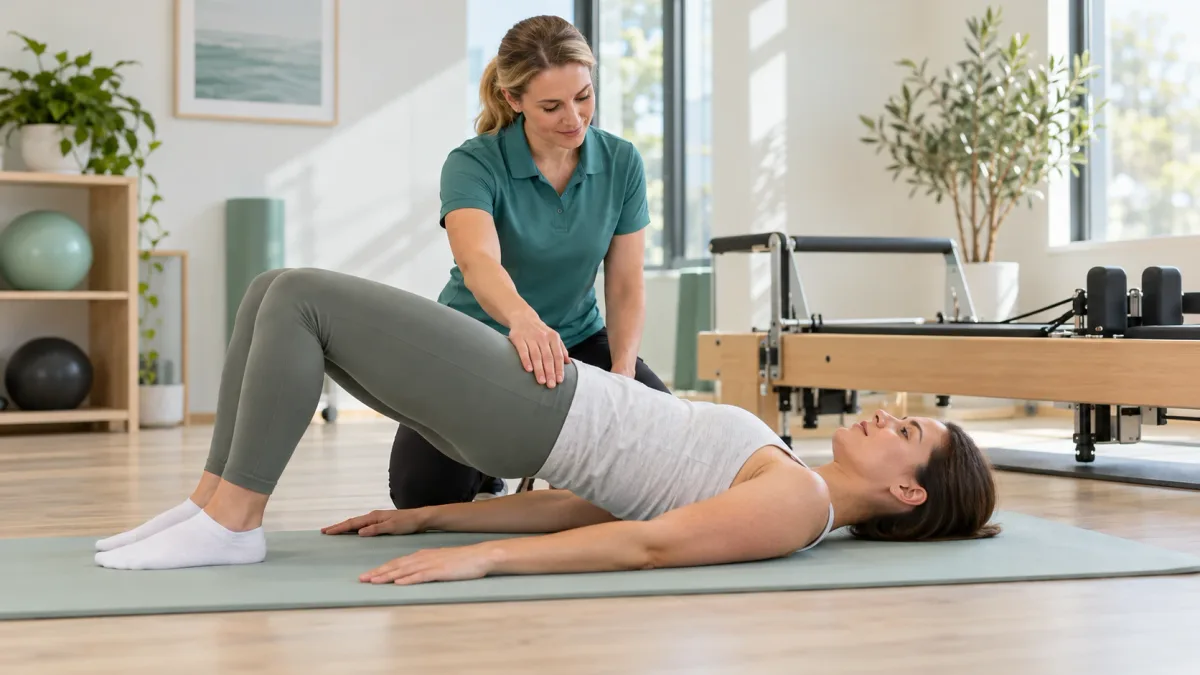
- Clinical Pilates — guided, assessment-led exercise focused on core control and posture
- Dry needling (IMS) — a fine-needle option some people find helpful for tight, irritable back muscles
- Chiropractic and acupuncture — additional options some people find helpful as part of a plan
When to seek prompt medical attention
Some symptoms warrant prompt assessment — for example, numbness or weakness in the legs, loss of bladder or bowel control, unexplained weight loss, or pain after significant trauma. If you experience these, contact a doctor right away.
How to choose a starting point
If your pain is limiting specific movements or following an injury, physiotherapy is often a sensible first step because it starts with an assessment. If tension and soreness are the main issue, massage may help. Because our disciplines work together, your plan can adapt over time as your physiotherapist reassesses your progress.
Ready to get started?
Not sure where to begin? Contact our team and we'll help you find an appropriate starting point, or book physiotherapy in Maple Ridge directly and we'll take it from there.