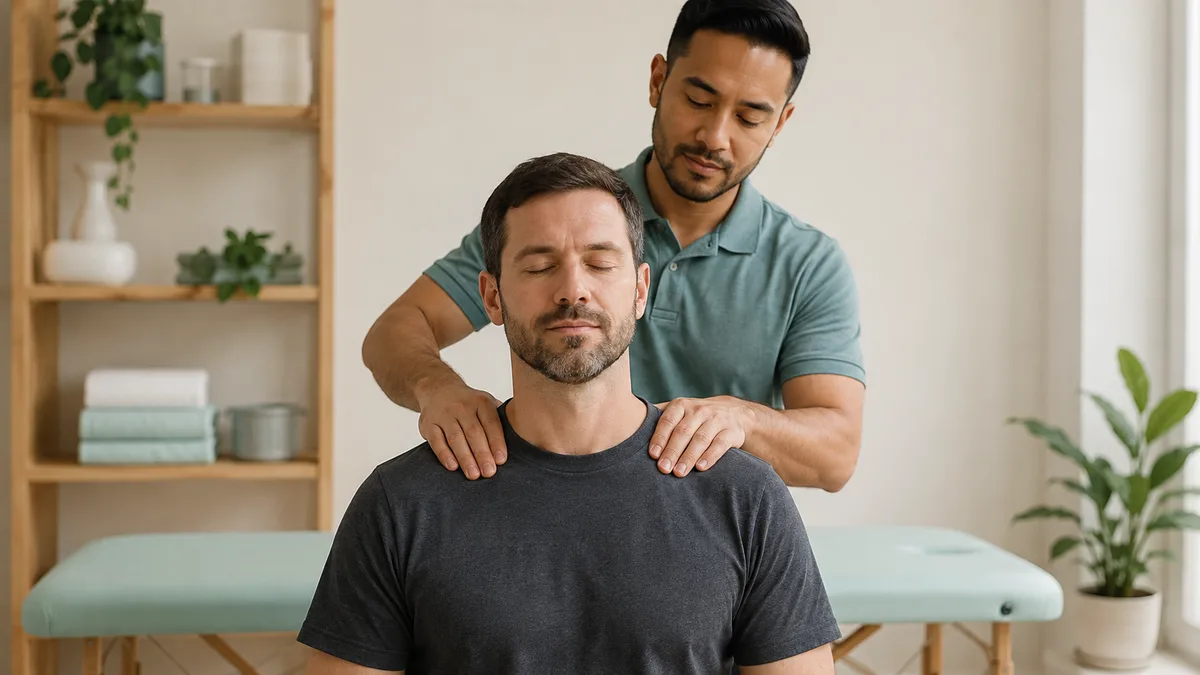
Massage Therapy
Therapeutic massage for muscle tension, soreness, stress, recovery, and relaxation.
- Muscle tension
- Stress
- Soreness
Gua sha and instrument-assisted soft tissue scraping use a smooth-edged tool along the skin to work on tight or restricted tissue, and may be combined with massage, stretching, or exercise as part of your care.
Gua sha is a traditional East Asian technique in which a smooth-edged tool is stroked firmly along lubricated skin. Instrument-assisted soft tissue mobilization (IASTM) is a similar approach used in rehab settings, often with stainless steel tools shaped to fit different parts of the body.
Both are used to work on tight or restricted muscles and connective tissue, and are usually combined with stretching, exercise or massage in the same session. The tool lets your practitioner apply focused pressure and feel for areas of restriction.
Firm gua sha strokes can bring up small red or purple spots on the skin, known as petechiae or "sha". Scraping in a rehab setting is often lighter and may only cause temporary redness. Research is still developing and results are mixed, so scraping is best used as one part of a broader plan.
Gua sha
Firm strokes with a smooth tool along the muscles, a technique from Traditional Chinese Medicine.
Instrument-assisted scraping (IASTM)
Lighter, targeted strokes with shaped steel tools, common in sports and rehab care.
Stretching and mobility
Stretching or movement right after scraping, while the tissues feel looser.
Strengthening
Exercises that build on the change and support longer-term progress.
Gua Sha & Scraping may support a range of concerns. Your practitioner will assess your needs and recommend an appropriate plan.
Assessment
Your practitioner looks at the area, how it moves, and what may be contributing to your symptoms.
Suitability check
They check your skin and screen for reasons scraping may not suit you.
Scraping treatment
A lotion or oil is applied, and the tool is stroked along the tissue at a pressure you are comfortable with.
Movement or exercise follow-up
Stretching or exercise follows to make the most of the treatment.
Progress review
Your response is reviewed and the approach adjusted.
Because our physiotherapists, RMTs, and a kinesiologist work under one roof, your gua sha care can be coordinated with other treatments when helpful — so your recovery feels more connected and complete.
Therapeutic massage for muscle tension, soreness, stress, recovery, and relaxation.
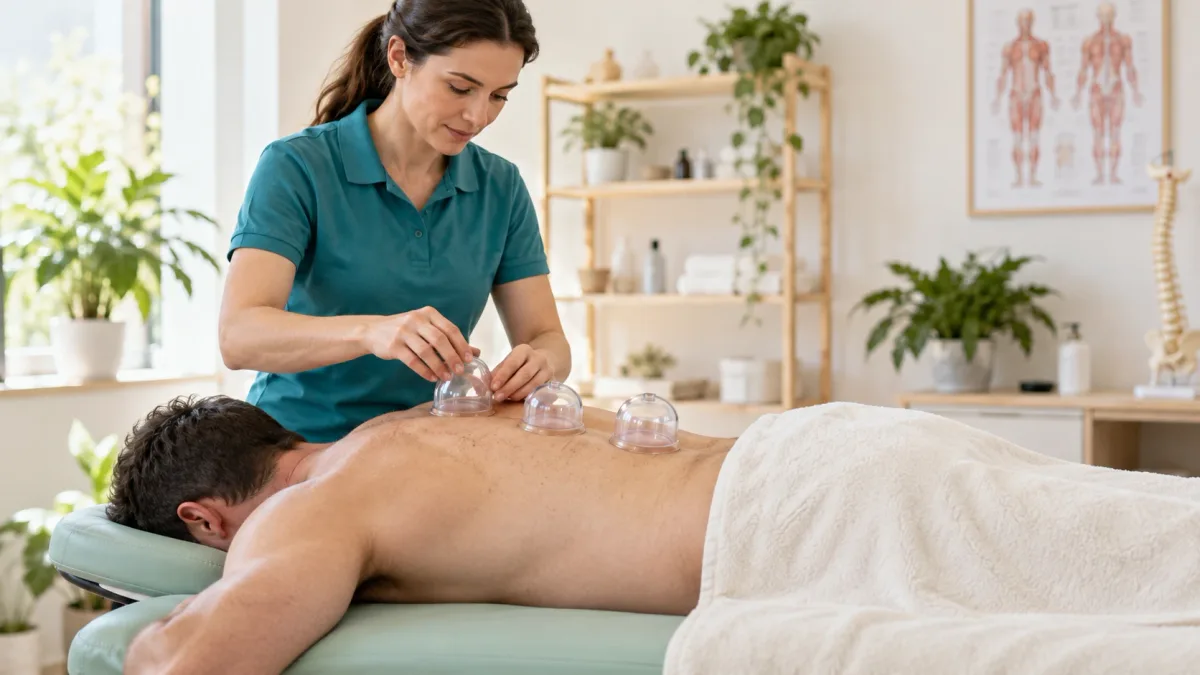
Suction-based soft tissue treatment that may help ease muscle tension and support recovery.
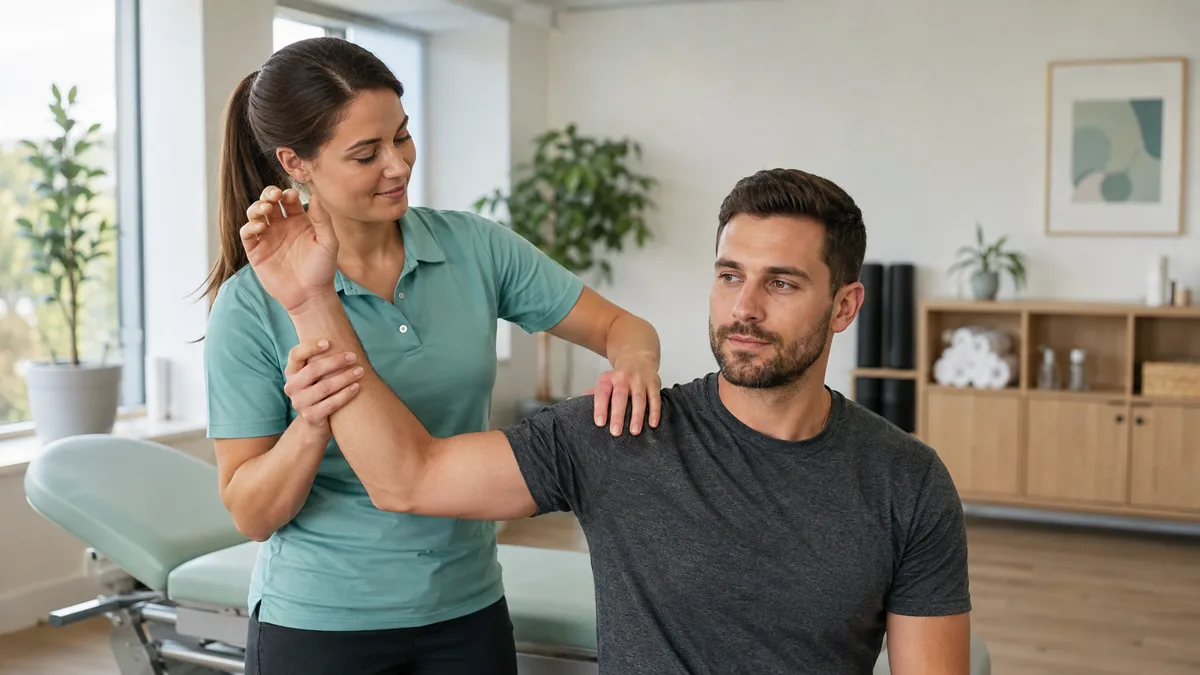
Personalized care for pain, injury recovery, mobility, strength, and return to daily activity.
Gua sha is a traditional technique, and instrument-assisted soft tissue mobilization (IASTM) is a similar approach used in rehab settings. Both use a smooth-edged tool to work on soft tissue, and your practitioner will explain the approach used in your session.
Didn't find your answer?
Gua Sha & Scraping in Maple Ridge and nearby. Patients travel to our 238B Street clinic from across the area — see what care looks like in Pitt Meadows, Albion, Silver Valley and Websters Corners, or browse every area we serve.
Book online in minutes, or contact our team if you're not sure which service is right for you.