Foot pain can come from many sources — footwear, activity level, gait patterns, or specific conditions like plantar fasciitis. Orthotics are often suggested as part of a plan, but they're not automatically the right answer for everyone. Here's how to think it through.
What orthotics are meant to do
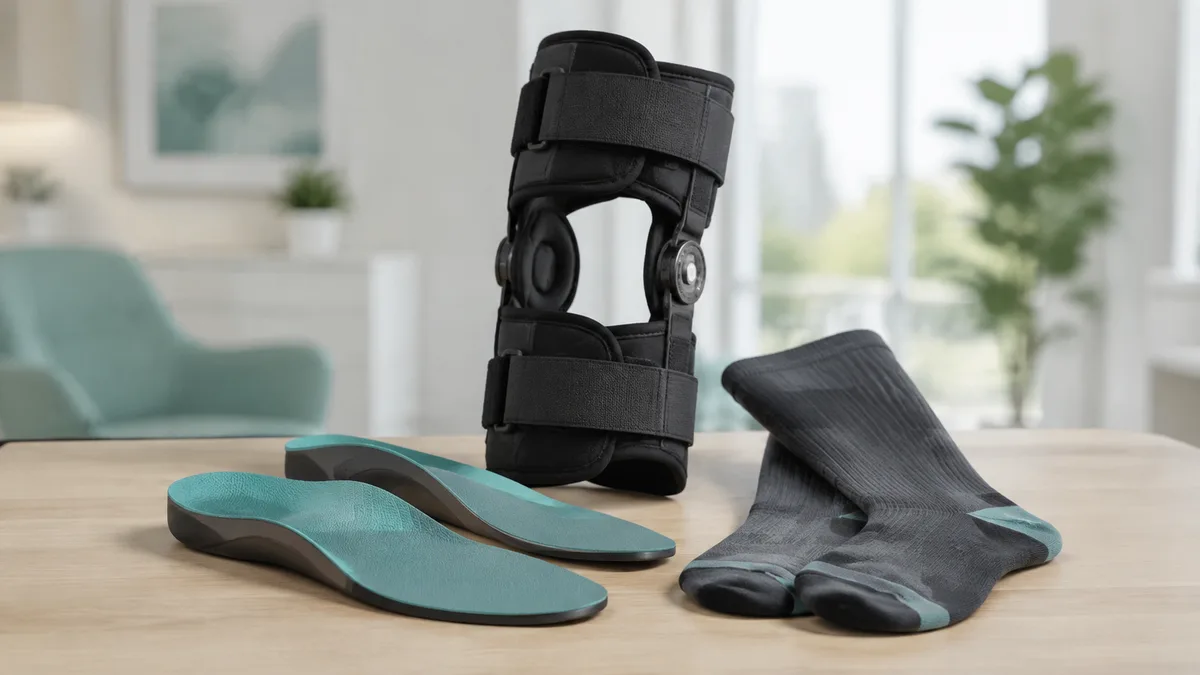
Orthotic inserts are designed to support or redistribute pressure across the foot, and sometimes to influence alignment further up the chain, such as at the knee or hip. They range from off-the-shelf options to custom-made devices based on an assessment of your feet and gait.
Signs orthotics might be worth discussing
You might bring up orthotics with a practitioner if you experience:
- Ongoing heel, arch, or forefoot pain that hasn't settled with basic measures
- Pain that seems to track with specific footwear or activities
- Noticeable asymmetries in gait or wear patterns on your shoes
- Foot pain that's part of a broader issue, such as knee or lower back discomfort
How an assessment typically works
A practitioner will usually look at your gait, foot structure, and history before discussing whether orthotics are a reasonable option. This might involve:
- Watching how you stand and walk
- Assessing footwear and typical activity levels
- Discussing symptoms and how long they've been present
- Considering orthotics alongside other options, not necessarily instead of them
Orthotics may help support some types of foot pain, but they aren't a guaranteed fix and aren't appropriate for every condition. Your practitioner will assess your specific situation before recommending an option, custom or otherwise.
Orthotics as part of a broader plan
Orthotics are often most useful alongside other care rather than as a stand-alone solution. Depending on your assessment, a plan might also include:
- Physiotherapy for strengthening and movement retraining
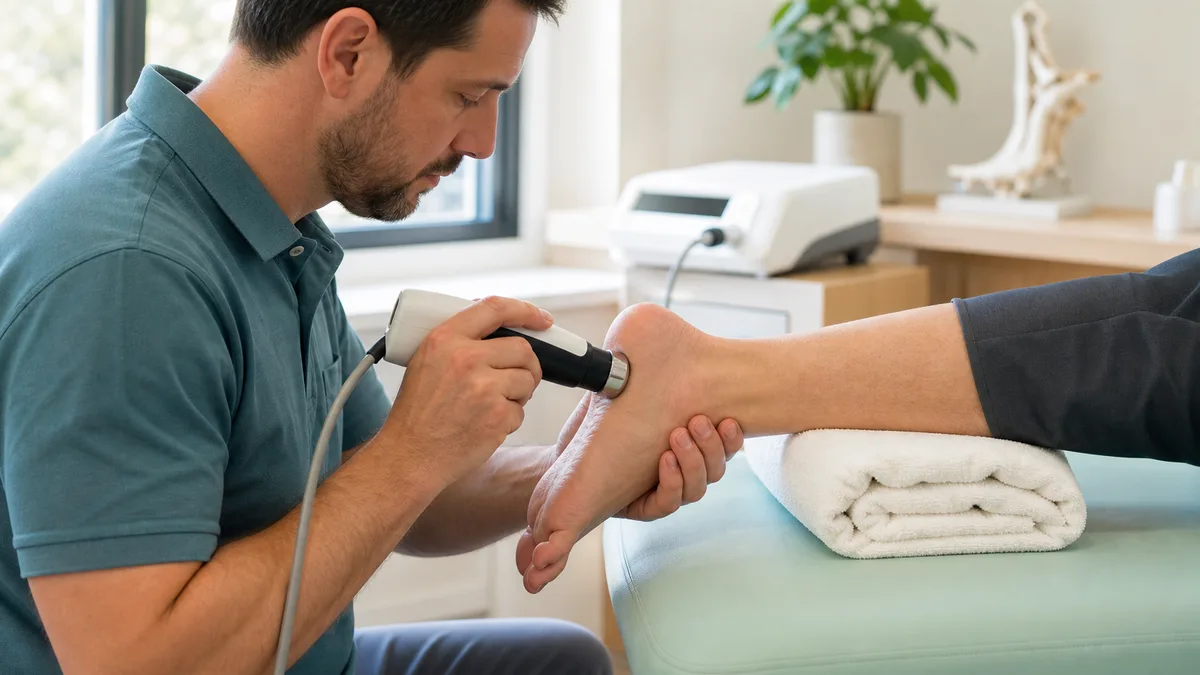
- Shockwave therapy for certain stubborn conditions like plantar fasciitis
- Massage therapy for tightness in the calves or feet
What to expect if you move forward
If custom orthotics are recommended, there's typically a process of measuring or casting, followed by a fitting once they're ready. Some adjustment period is normal, and your practitioner will check in on how they're working for you.
Not sure where to start?
Learn more about orthotics and bracing in Maple Ridge, or contact our team to book an assessment and talk through whether orthotics make sense for your foot pain.