Plantar fasciitis — pain along the bottom of the heel and foot, often worst with the first steps in the morning — is one of the more stubborn conditions people deal with. Shockwave therapy is one option that sometimes comes up in treatment plans. Here's what it is and how it may fit in.
What is shockwave therapy?
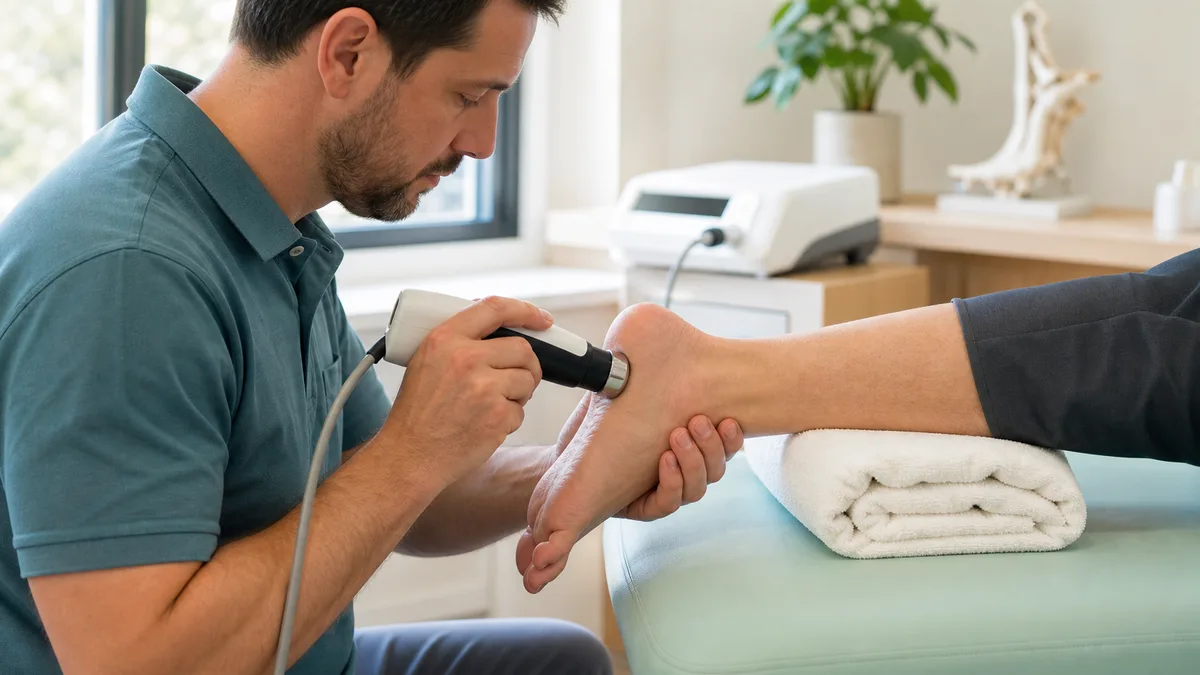
Shockwave therapy uses acoustic pressure waves delivered through a handheld device against the skin over the affected area. The idea is that the mechanical stimulus may encourage the body's natural healing response in tissue that hasn't resolved on its own with time and conservative care.
What a session typically involves
- A brief assessment to confirm the area and check that shockwave is appropriate for you
- Application of gel and the handheld device over the treatment area
- A series of pulses, which can feel like a tapping or mildly uncomfortable sensation
- A short session overall, often as one part of a broader visit
Your practitioner will assess whether shockwave therapy is a reasonable option for your specific presentation — it isn't automatically the right fit for everyone with foot pain.
Why it's often considered for plantar fasciitis
Plantar fasciitis that hasn't responded to rest, stretching, and basic conservative measures is sometimes described as more persistent or "chronic." In these cases, some practitioners discuss shockwave therapy as an additional option to consider alongside other care, rather than as a stand-alone fix.
Shockwave therapy may help support recovery for some patients, but it isn't a guaranteed cure and results vary. Your practitioner will discuss whether it's appropriate and what a realistic plan might look like for you.
How it may fit with other treatment
Shockwave therapy is often just one piece of a broader plan. Depending on your assessment, your practitioner might also recommend:
- Physiotherapy for stretching, strengthening, and gait review
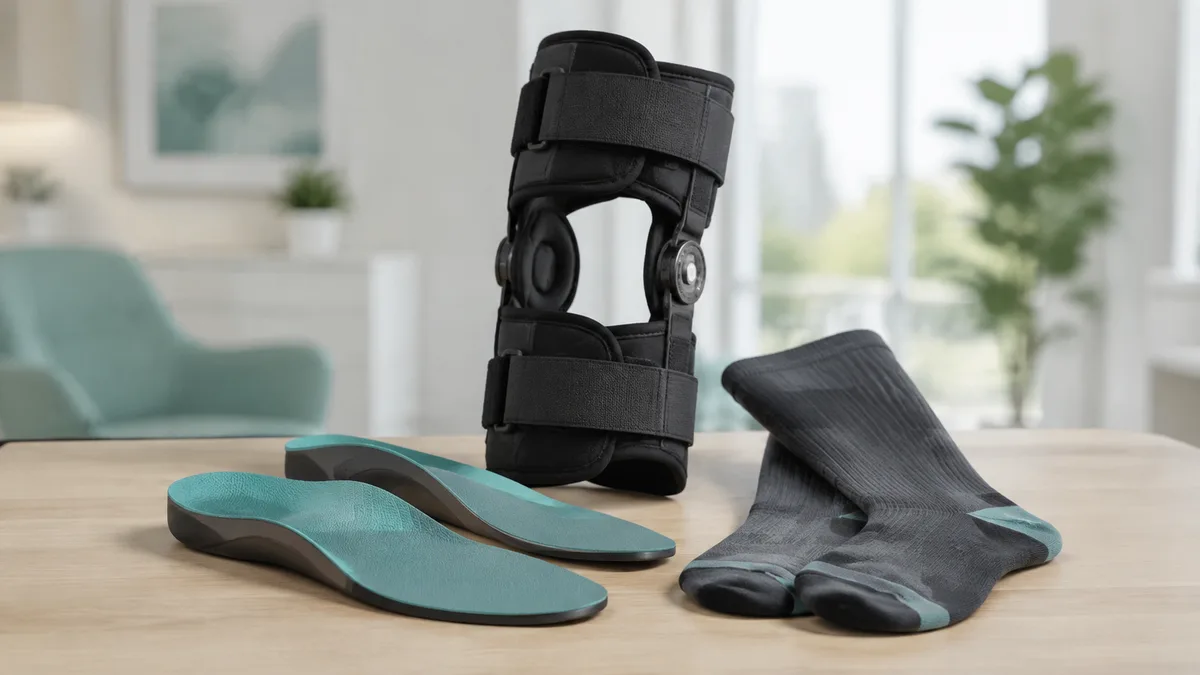
- Orthotics or bracing to support the foot day to day
- Massage therapy for surrounding muscle tension
What to expect afterward
Some people notice mild soreness after a session, similar to post-exercise discomfort. As with any treatment, individual responses vary, and your practitioner will monitor how you're progressing over a series of visits before deciding on next steps.
Learn more or book an assessment
Read more about shockwave therapy in Maple Ridge, or contact our team if you've been dealing with stubborn heel or foot pain and want to talk through your options.